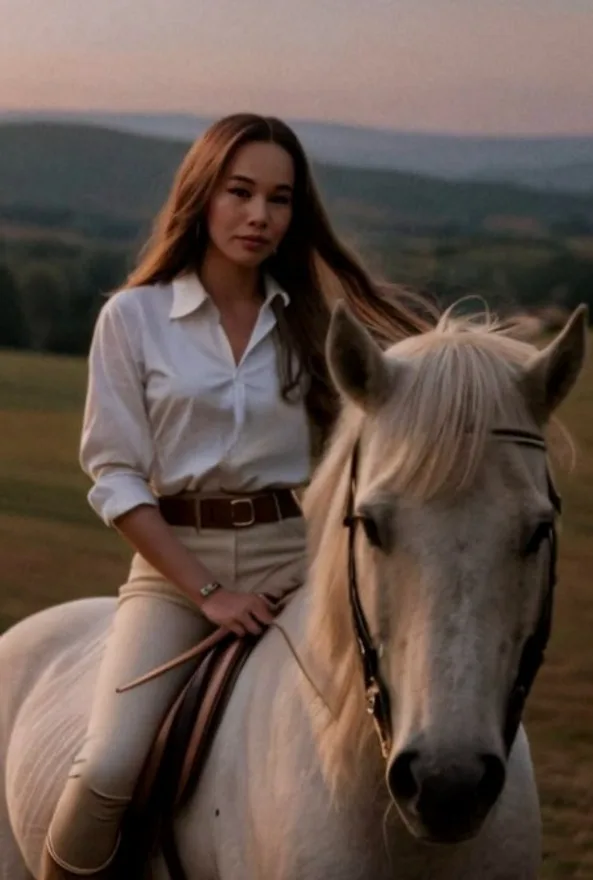
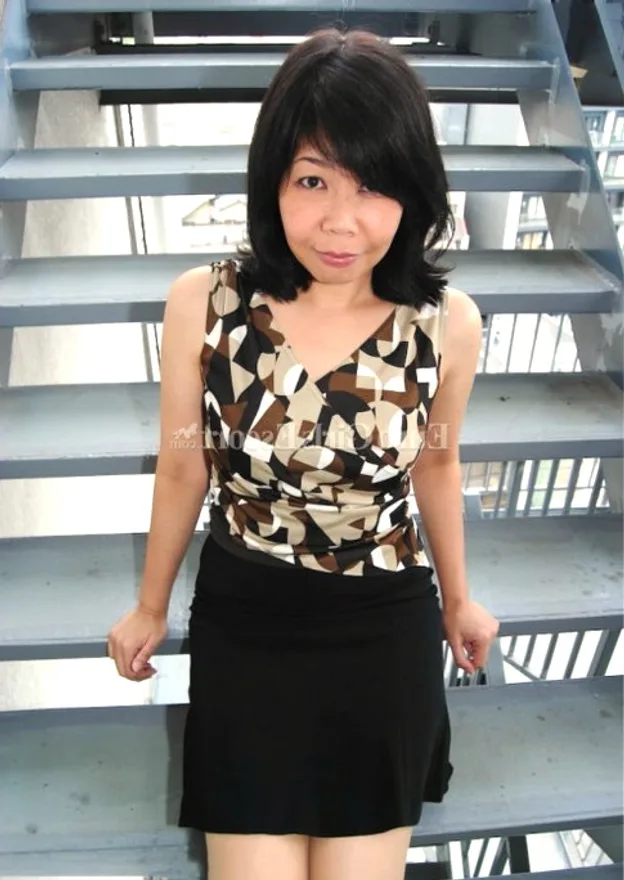
The night is a canvas, and within it, a certain heritage paints its own hues. Selecting Mongolian as a lens, the gallery of profiles shifts, each entry a brushstroke of a distinct cultural whisper. The eye moves from one name to the next, catching the rhythm of a phrase, the tilt of a written line, all hinting at a story carried from afar. This is not a destination but a drift, a slow walk through a corridor of possibilities, where the air seems to carry the scent of distant lands and the quiet promise of a tale unfolding with each click.
Within this Mongolian filter, each listing presents a mosaic of visible traits, from the curve of a figure to the shade of hair, inviting a deliberate side-by-side appraisal. One profile might spotlight a certain elegance in posture, while another leans toward a more casual charm in its written portrayal. The act of comparison becomes a gentle meditation, weighing the subtle contrasts in how each individual chooses to frame their own image. What draws the eye first, the set of the shoulders or the cadence of a sentence, becomes a personal question with every new page.
Reading Mongolian Introductions
Beyond the visual, the written introductions hold a quieter power, a space where voice and temperament emerge between the lines. Short, staccato sentences might suggest a practical nature, while flowing, lyrical passages hint at a more contemplative spirit. As the reader moves from one paragraph to the next, a sense of each personality begins to coalesce, like recognizing a melody in a crowded room. The words serve as an invitation, transforming a simple listing into a potential dialogue that lingers in the mind long after the screen dims.